Living With the Land: Veganism Beyond the Plate
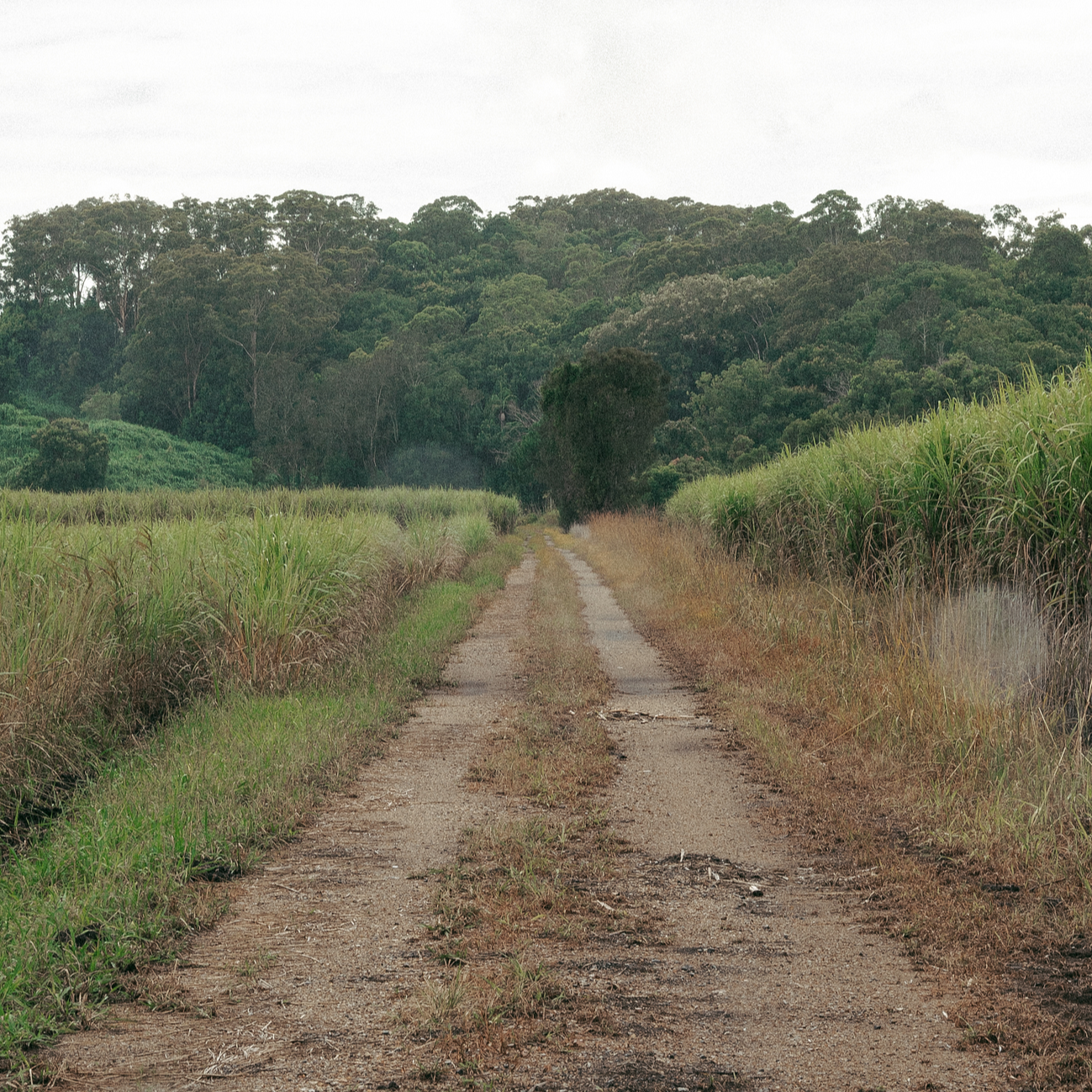
Veganism is often framed as a dietary choice, reduced to what is consumed and what is avoided. Yet this narrow definition overlooks its deeper implication: a way of relating to land, resources, and coexistence itself. Beyond the plate, veganism becomes an ecological orientation rather than a nutritional label.Living with the land means recognizing that food systems are inseparable from soil health, water use, and biodiversity. What we eat determines not only personal well-being, but also how landscapes are shaped, depleted, or restored. From monoculture farming to deforestation, the environmental cost of consumption is written directly onto the land.This awareness rarely emerges from theory alone; it is often shaped by everyday observation. Even in urban settings, the constant availability of the same foods regardless of season reveals a system governed by speed and demand rather than ecological rhythm. As I became more intentional with plant-based eating, I began to notice food not merely as a product, but as something that carries an entire ecosystem behind it. As plant-based choices gain awareness, the origin of food becomes harder to ignore. This is not a romanticized vision of nature, but an encounter with ecosystems that have limits, cycles, and a need for rest.This connection is clearly demonstrated in a comprehensive study published in Science by Poore and Nemecek (2018). Analyzing data from over 38,000 farms worldwide, the research found that plant-based food systems require significantly less land and water, while producing substantially lower greenhouse gas emissions than animal-based agriculture. The findings suggest that dietary choices alone could reduce global farmland use by more than 75 percent—an area equivalent to the size of the United States, China, the European Union, and Australia combined.From a lifestyle perspective, veganism beyond the plate invites a quieter form of responsibility. It aligns naturally with seasonal eating, local sourcing, and an awareness of ecological limits. Choosing lentils over livestock, grains over grazing, is not an act of restriction, but one of spatial care—allowing ecosystems room to regenerate.In this context, veganism is less about moral performance and more about spatial ethics. It asks a simple but radical question: how much land does our life require, and at what cost to others? Living with the land means choosing answers that sustain not only ourselves, but the ground beneath us.References
• Poore, J., & Nemecek, T. (2018). Reducing food’s environmental impacts through producers and consumers. Science, 360(6392), 987–992.
• FAO. (2018). Sustainable food systems: Concept and framework. Food and Agriculture Organization of the United Nations.
• IPBES. (2019). Global assessment report on biodiversity and ecosystem services. Intergovernmental Science-Policy Platform on Biodiversity and Ecosystem Services.