
WHEN PERFORMANCE GOES PLANT-BASED
by Jaclyn Michele
Elena Blessing
There was a time, not so long ago, when the mere mention of “athlete” and “plant-based diet” in the same breath would prompt raised eyebrows, chuckles, or that all-too-familiar comment from Uncle Jim at family dinners:“but... where do you get your protein?”Fast forward to today, and it’s a very different game. Plant-based eating - once associated with hippies, artists, and smoothie bowl lovers - now stands centre court on the world’s biggest sporting stages. Tennis champions, ultra-runners, and Olympians are showcasing that athletes can thrive on greens, grains, legumes, and all that good plant fuel. Let’s take a joyful, fact-filled journey through how plant-based diets found their footing in sports and why they’re causing both muscles and mindsets to flourish.From Fringe to Front Page: The Rise of Plant-Based Athletics
The idea of a plant-powered athlete wasn’t always met with nods of respect. In the late 20th century, the athletic world was dominated by images of steak dinners, gallons of milk, and protein shakes concocted in labs that might as well have required a PhD to pronounce. The stereotype was simple: more meat = more muscle = better performance.But seeds of change were planted early. Endurance athletes and health activists began experimenting with vegetarian and vegan lifestyles, and anecdotal stories of improved recovery and stamina started circulating. Over time, those whispers became roars as more athletes began championing plant-based diets and not just for ethical or environmental reasons, but for competitive advantage.
Cristian Camilo Estrada
Then came The Game Changers, a documentary that showed viewers real athletes thriving on plant power, smashing myths about vegan diets and athletic decline. It wasn’t mainstream science per se, but it sparked countless conversations and inspired athletes around the world to take a fresh look at what’s on their plate.Today, plant-based eating isn’t a bizarre trend - it’s a respected, evidence-supported approach embraced by athletes worldwide. Studies show that plant-based diets do not harm athletic performance and can sometimes boost measures of endurance and strength. Why Athletes (and Scientists) Are Paying Attention to Plants
So what’s behind the growing love affair between athletes and plant-based diets? Let’s break it down in a way that even your friend who lives on chicken wings can appreciate.1. Heart and Circulation - The Engine Behind PerformancePlant-based diets are naturally rich in fibre, antioxidants, and phytonutrients - all of which are fantastic for cardiovascular health. Better heart health means improved blood flow and oxygen delivery to working muscles, which is crucial for endurance and overall athletic performance. Imagine your muscles as a concert hall and your bloodstream as the delivery truck. If the roads are smooth and traffic is low (thanks to good circulation), everything arrives at the right time - energy, oxygen, recovery nutrients. That’s a win for everyone.2. Reduced Inflammation and Faster RecoveryEver wake up sore after a hard workout? You’re not alone. Training damages muscle fibres, and the body’s inflammatory response is part of the repair process. But too much inflammation = slower recovery.Enter plant foods.Plants are packed with antioxidants like vitamins C and E, flavonoids, and other compounds that help reduce oxidative stress which is a contributor to muscle soreness. And because plant-based diets tend to be lower in saturated fats (compared to typical Western diets), inflammation markers can drop, helping athletes bounce back faster.3. Optimal Body CompositionFor many sports, having a strong power-to-weight ratio is key. For instance, think runners, cyclists, gymnasts. Plant-based diets tend to be higher in fibre and lower in calorie density, which can help athletes naturally maintain leaner body compositions. This isn’t about glamorous “weight loss” it’s about functional performance. Less unnecessary weight can mean more efficient movement and better endurance.4. Carbohydrates: The True MVPHere’s where plant diets really shine: complex carbohydrates. Grains, legumes, starchy vegetables, and fruits are carbohydrate goldmines, and carbs are the primary fuel source for high-intensity training and endurance exercise. Every marathon runner knows this instinctively, but on a plant-based diet, your fuel tank stays filled without the bloat that heavy meats can sometimes cause.More plants = more slow-burn energy = longer, stronger workouts. It’s science, but it tastes better than a chalky protein bar.
Nutrition Nuances: Eating Plants Like a Pro
Of course, transitioning to a plant-based diet as an athlete isn’t as simple as switching burgers for salads. Elite and amateur athletes alike must ensure they get enough:Protein: From beans, lentils, tofu, tempeh, seitan, and plant protein powders.Iron: Found in spinach, lentils, quinoa - best absorbed with vitamin C-rich foods.B12: Often supplemented because it’s rare in plant foods.Omega-3s (ALA): From flaxseeds, chia seeds, walnuts - sometimes supplemented with algae DHA.With thoughtful planning (and sometimes professional guidance), athletes can meet all their macro and micro-nutrient needs on plants. A review of studies found that plant-based diets are appropriate and healthy for serious athletes, as long as nutrition is optimized. Plant-Powered Pros: Athletes Who Thrive on Plant-Based Diets
Now let’s spotlight some trailblazers. These are athletes from all kinds of sport who’ve embraced plant-based eating and continued to dominate.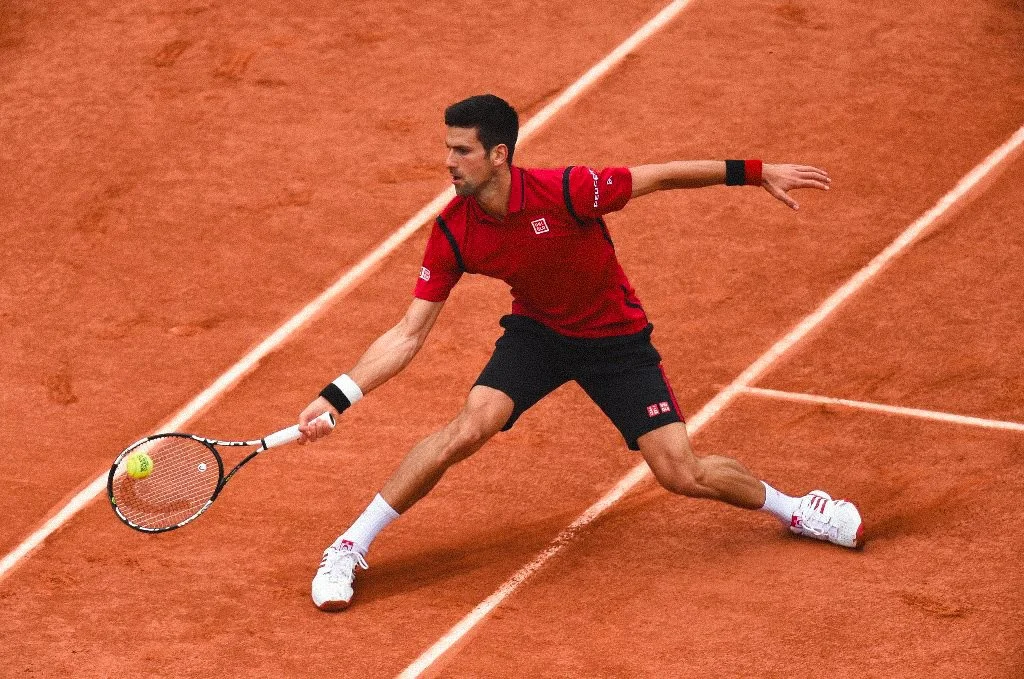
Novak Djokovic: Tennis Legend
Novak Djokovic, one of the most accomplished tennis players of all time, follows a primarily plant-based diet and often credits the switch with improved energy, decreased inflammation, and better overall wellbeing. Imagine sprinting across a tennis court for hours under the sun, but a plant-based diet helps keep that engine humming.
Volvo Car Open 2017
Venus Williams: Tennis Great
After being diagnosed with Sjögren’s syndrome, an autoimmune condition, Venus adopted a mostly vegan, plant-based diet and reclaimed her energy and performance on the court. She even playfully calls herself a “chegan” because she sometimes flexes her strict rules, but the impact on her health and career has been undeniable.
Scott Jurek: Ultramarathon Master
Scott Jurek, famous for his dominance in intense long-distance races like the Badwater 135 and Western States Endurance Run, has been a committed vegan for decades. His success challenges long-held beliefs about protein and endurance performance. Christine Vardaros: Pro Cyclist
Known in cycling circles as “Peanut,” Christine Vardaros has been vegan and professional since 2000, a true early adopter. Her long career underscores that plant-based nutrition can support sustained high-level athletic performance.Other Notable Names
A whole tribe of athletes across sports have embraced plant-based diets:Ultra-runners like Austin Meyer and Trishul Cherns have crushed long-distance races. Po Denman rose to become a bare-knuckle boxing champion on plant fuel. Soccer players like Chris Smalling, Alex Morgan, and Hector Bellerín have touted plant diets for health and recovery benefits. Olympic athletes like Morgan Mitchell and gymnasts like Aly Raisman report improved energy and recovery. These stories paint an exciting truth: plant-based diets are no longer niche, they’re competitive.
Plant-Based Performance: What the Science Says
Let’s get nerdy for a moment, but in the best possible way. Multiple studies and reviews show that plant-based diets:Do not harm athletic performance. In fact, they may improve maximal oxygen consumption and relative strength. May enhance cardiovascular health and reduce inflammation. Can support endurance performance without compromising strength or power. What does that mean for athletes? In plain language: Eating plants won’t make you slower, weaker, or less competitive, and it might even give you an edge.Why the Buzz Isn’t Just About Performance
Beyond personal records and podium finishes, plant-based eating resonates for big-picture reasons:Health: Lower risks of heart disease, diabetes, and certain cancers. Sustainability: Less environmental impact than animal-based diets - a win for athletes who care about the planet.Ethics: Aligning performance with compassion for animals.This trio of benefits makes plant-based nutrition appealing not just for athletes, but for anyone who wants to feel vibrant and perform well in sport and in life.Wrapping Up: The Future Is Green (and Fast)
Remember those skeptics who once joked that plant-based diets made athletes weak? Today, those jokes just sound outdated.

Plant-based diets have stomped, sprinted, and surfed their way into elite sport - backed by science, championed by athletes, and embraced by people everywhere looking to feel their best. Whether you’re a weekend warrior, a competitive athlete, or someone simply curious about nutrition, there’s plenty to learn from the rise of plant power.

It doesn’t matter whether you’re chasing gold medals or personal bests, fuelling your body with vibrant, nutrient-dense plants can help you show up stronger, recover faster, and feel great doing it. So the next time someone asks where athletes get their protein? Just smile and offer them these examples.