VEGAN PROTEINS: HACKING THE AMINO ACID PROFILE
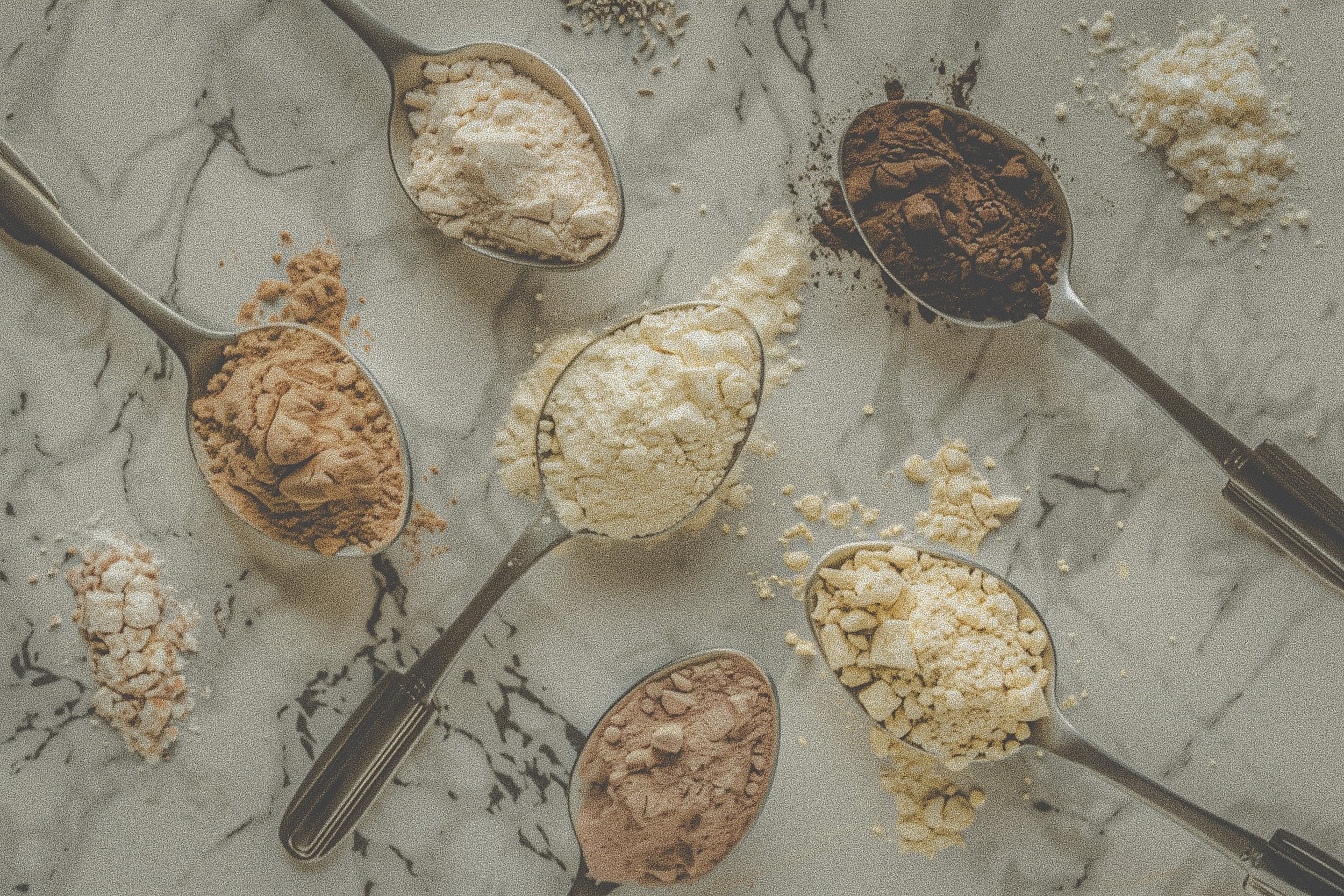
One of the most persistent myths surrounding plant-based nutrition is the idea that vegan proteins are “incomplete.” In reality, the issue is not deficiency, but strategy. When approached with intention, vegan proteins can not only meet essential amino acid requirements, but also optimize them.“Amino acid hacking” refers to combining plant-based protein sources with complementary amino acid profiles. For instance, legumes are generally lower in methionine but rich in lysine, while grains offer the opposite pattern. When consumed in synergy, they create a balanced and efficient amino acid profile.This approach moves nutrition beyond basic macronutrient calculations and into the realm of biochemical awareness. The goal is not “more” protein, but the right kind of synergy.Importantly, these combinations do not need to be consumed within the same meal. Research shows that the body maintains an amino acid pool throughout the day, meaning that diversity across meals is sufficient. This allows for a more flexible and intuitive eating rhythm.This strategy is supported by a landmark study published in The American Journal of Clinical Nutrition (Young & Pellett, 1994), which demonstrated that diets combining different plant proteins can fully meet essential amino acid requirements without relying on animal sources. More recent findings published in Nutrients (2019) further confirm that diverse plant-based dietary patterns adequately support muscle protein synthesis in physically active individuals.From a lifestyle perspective, this method aligns naturally with seasonal and whole-food-based eating. Pairings such as lentils with rice, hummus with whole wheat pita, or tofu combined with quinoa represent culturally rooted, simple meals that are quietly biochemically complete.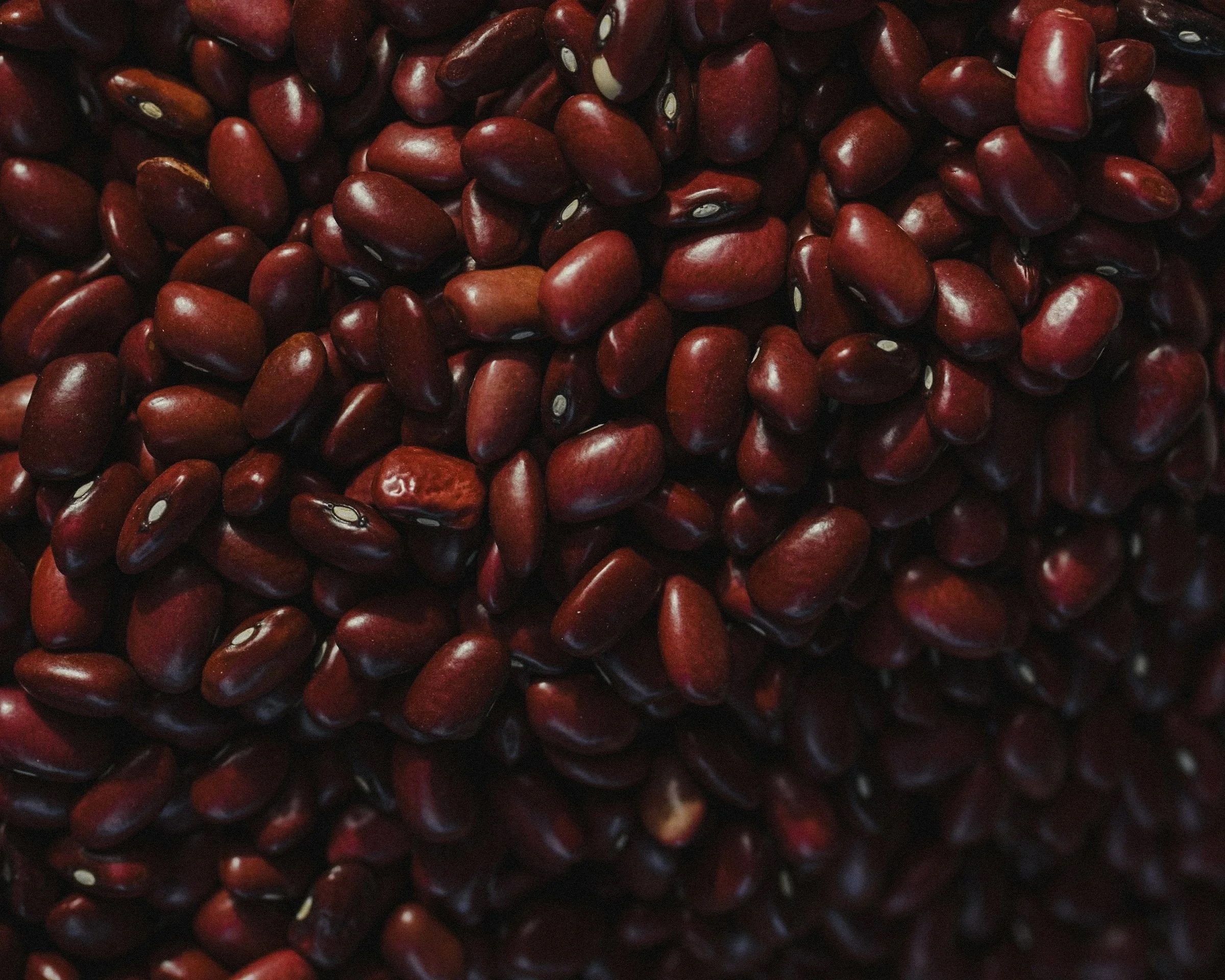
Arina Krasnikova
Rather than focusing on isolated protein quantities, amino acid hacking prioritizes diversity, timing, and synergy. Within a vegan framework, protein becomes not a display of dominance, but a consciously designed aesthetic practice—guided by knowledge and respect for both human physiology and planetary health.References
• Young, V. R., & Pellett, P. L. (1994). Plant proteins in relation to human protein and amino acid nutrition. The American Journal of Clinical Nutrition, 59(5), 1203S–1212S.
• Gorissen, S. H. M., & Witard, O. C. (2018). Characterising the muscle anabolic potential of plant-based protein sources. Proceedings of the Nutrition Society, 77(3), 317–327.
• van Vliet, S., Burd, N. A., & van Loon, L. J. C. (2015). The skeletal muscle anabolic response to plant- versus animal-based protein consumption. The Journal of Nutrition, 145(9), 1981–1991.
• Mariotti, F., & Gardner, C. D. (2019). Dietary protein and amino acids in vegetarian diets—A review. Nutrients, 11(11), 2661.