THE THINGS VEGANS ARE TIRED OF EXPLAINING (BUT SOMEHOW STILL DO)

Vasily Yashkin
There’s a moment most vegans know well. You’re halfway through a meal, perfectly content, not hungry, not deprived when someone leans in and asks one of the many typical vegan curious questions.It’s rarely malicious. Often, it’s curiosity wrapped in habit, shaped by decades of food marketing and cultural norms. Still, for vegans, the repetition can be exhausting. Not because the questions are offensive but because the answers are so familiar. These are the explanations vegans find themselves offering again and again, whether they want to or not.Protein Is Not the Crisis You Think It Is
If there were a bingo card for vegan conversations, “protein” would be the free space. Beans, lentils, tofu, tempeh, nuts, seeds, whole grains — protein exists abundantly in the plant kingdom. Most people already consume more than enough protein without tracking it, yet somehow it becomes a pressing concern only when animal products leave the plate.
Vegan Isn’t Just a Diet
For many, veganism isn’t a temporary food phase or a wellness challenge — it’s an ethical framework. It extends beyond meals into clothing, beauty, and consumer choices. Calling it only a “diet” flattens something that, for most vegans, is about aligning daily actions with deeply held values.No, Vegan Doesn’t Automatically Mean Healthy
This one surprises people. Fries are vegan. Oreos are vegan. Sugar-laden sodas are vegan. Choosing plants doesn’t magically confer nutritional sainthood. It simply removes animal products from the equation. Like any way of eating, health depends on balance, not labels.Plants Don’t Feel Pain (And That’s the Point)
The “plants feel pain too” argument arrives reliably, usually mid-meal. But plants lack nervous systems and brains, while animals do not. More importantly, eating plants directly requires far fewer crops than feeding plants to animals first. If minimizing harm is the goal, plant-based eating remains the more efficient choice.
No, One Vegan Meal Won’t Harm You
Vegans are often met with apologies when serving plant-based food, as if something essential is missing. A meal without meat isn’t a sacrifice or a compromise — it’s just food. Flavour, fullness, and satisfaction are not exclusive to animal products.Being Vegan Isn’t About Moral Superiority
Most vegans didn’t grow up this way. They weren’t born with an agenda or a desire to complicate dinner plans. Many arrived at veganism gradually, through learning, reflection, and personal discomfort. The choice is rarely about judging others and more often about reducing harm where possible.No, Vegans Don’t Secretly Miss Bacon
People tend to project nostalgia onto vegans: cheese boards, barbecue ribs, holiday roasts. But what’s often missed isn’t the food itself, but the familiarity, or social ritual. Taste memories fade faster than expected when values shift.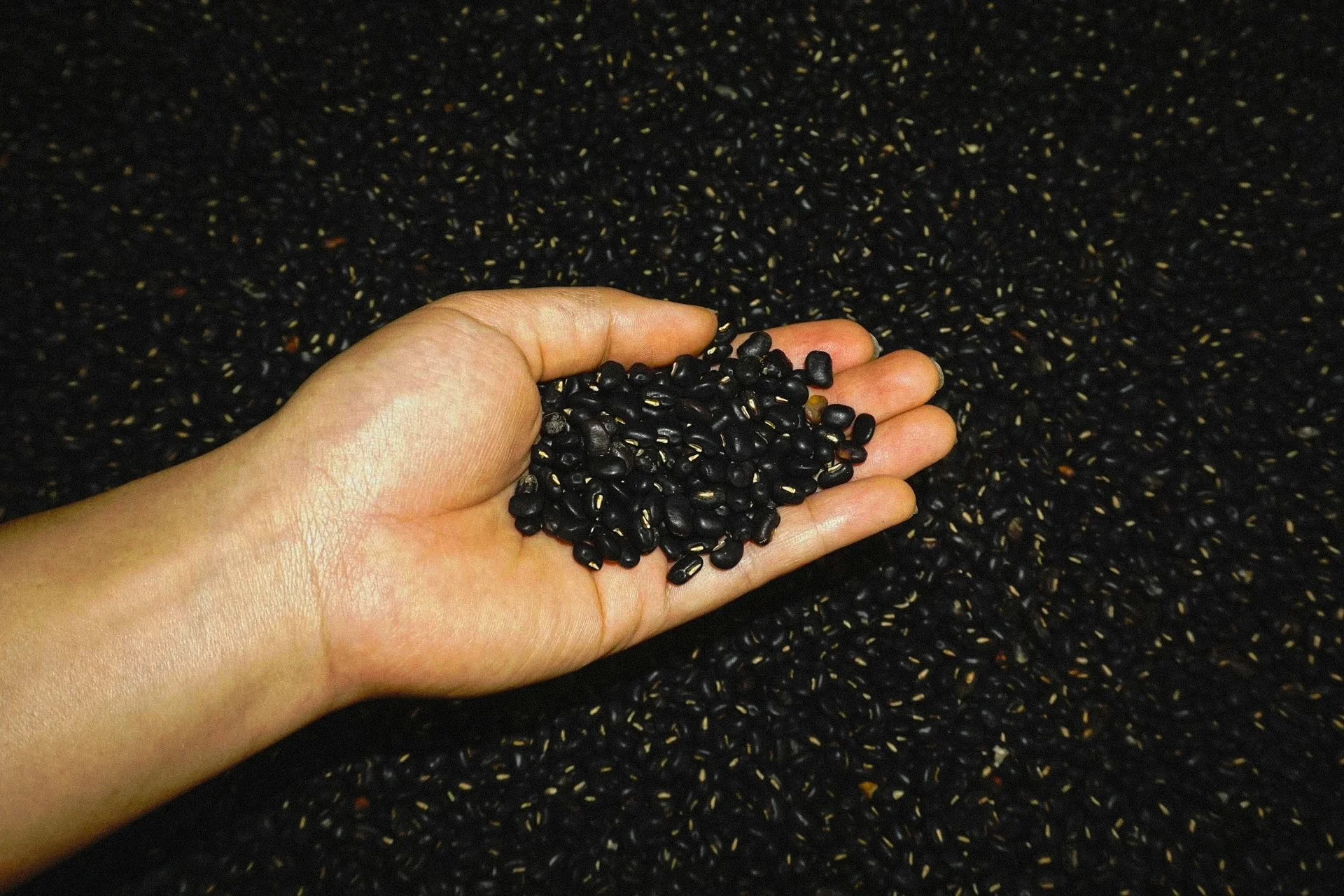
Vegan Food Isn’t Inherently Expensive
Staples like rice, beans, lentils, pasta, potatoes, and vegetables are among the most affordable foods available. Veganism only appears costly when niche products are compared to heavily subsidized animal agriculture. At its core, plant-based eating is remarkably economical.Reading Labels Isn’t “Extra”- It’s Necessary
Gelatin, whey, casein, shellac-animal-derived ingredients hide in unexpected places. Reading labels isn’t performative or obsessive; it’s simply how consistency works when animal products aren’t part of your choices.Not Everything Needs a Vegan Replica
Despite popular belief, vegans aren’t demanding plant-based versions of every meat dish. Often, the preference is for naturally vegan food and meals that stand confidently on their own without comparison or justification.You Don’t Need to Defend Your Choices to Vegans
“What if you were stranded on an island?”“What about ancient cultures?”These hypothetical debates rarely surface outside vegan conversations. Most vegans aren’t looking to interrogate your decisions, instead they’re just trying to enjoy a meal without turning it into a philosophy seminar.Veganism, at its core, is quieter than people expect. It’s not about perfection, purity, or persuasion. It’s about making intentional choices in a world that rarely encourages them and occasionally answering the same questions, again and again, with patience that’s learned over time.